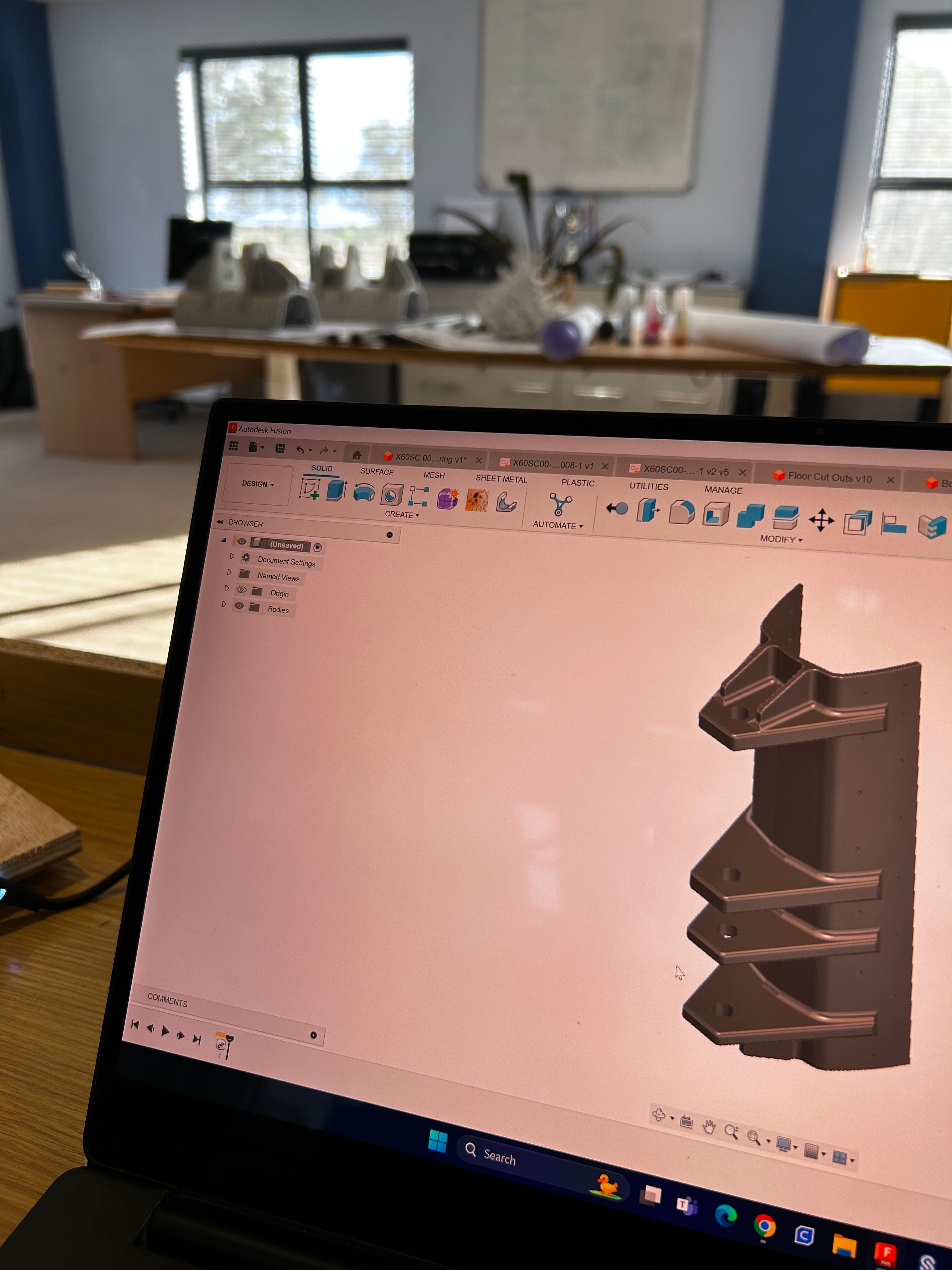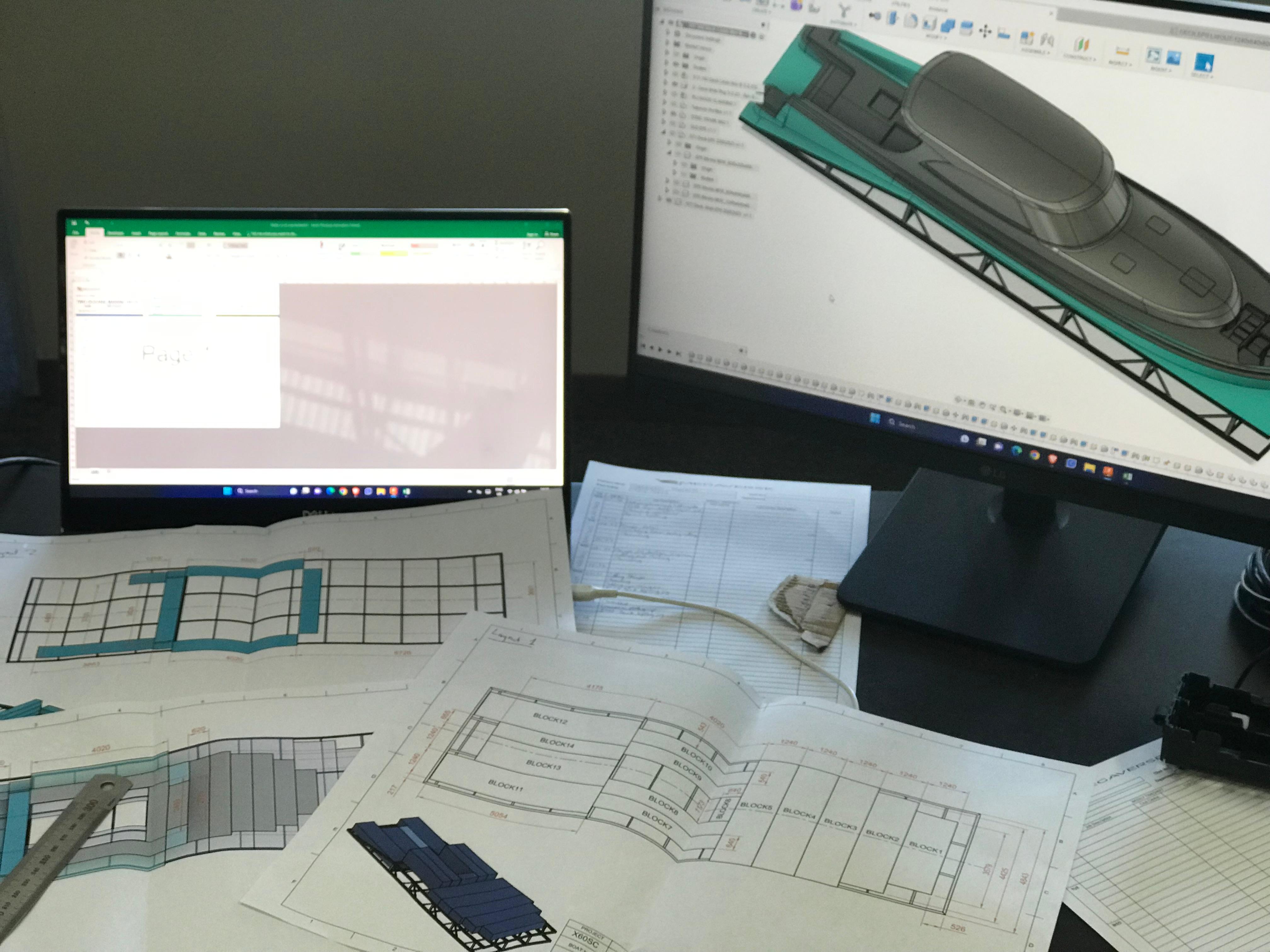
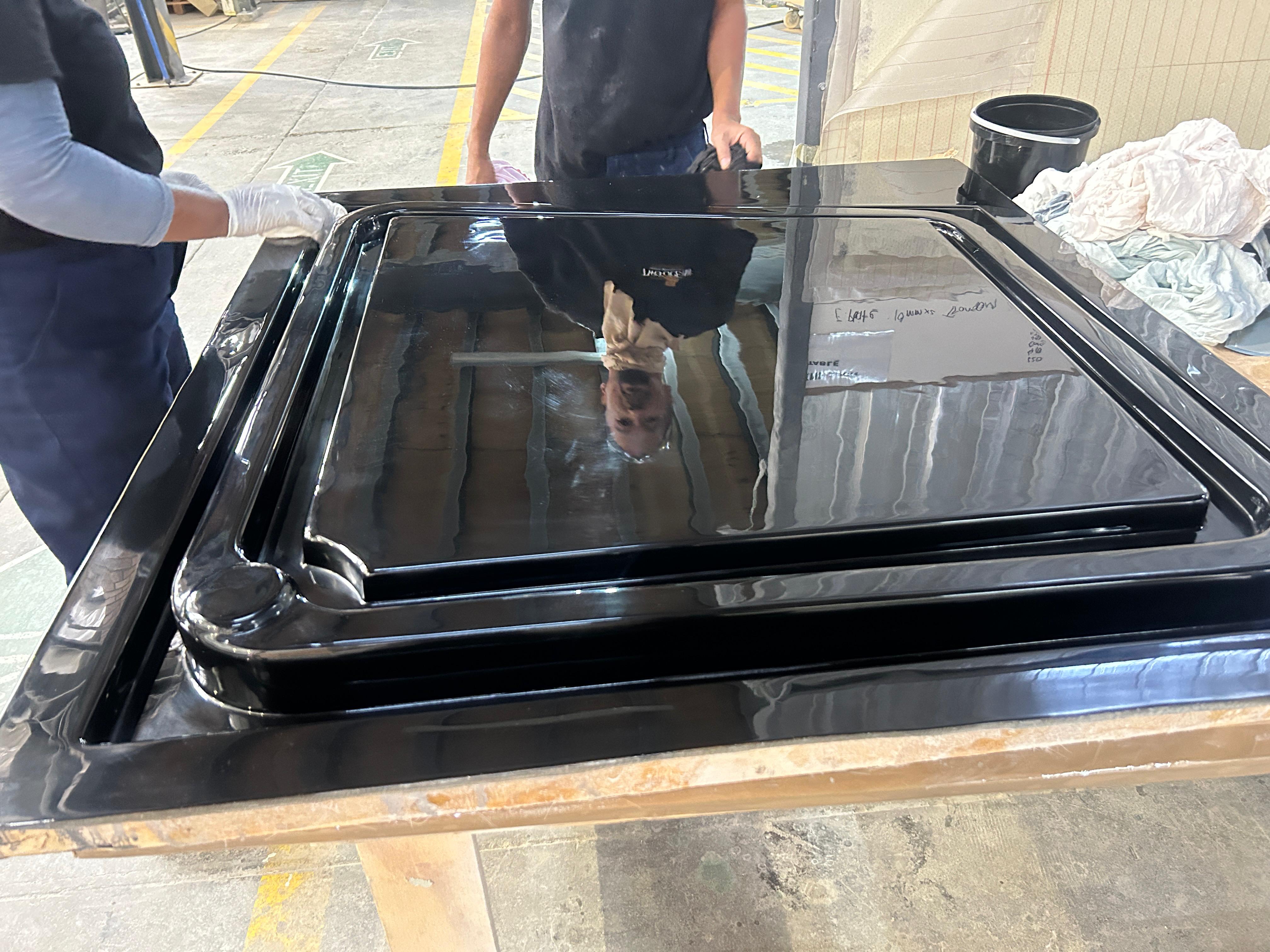
Drive around any serious manufacturing corridor in Southern Africa long enough and you’ll start to notice a pattern: the machines are there. Three-axis CNC routers in almost every mid-sized shop. Four-axis machining centres in the bigger yards. A surprising number of 5-axis setups in places you wouldn’t expect, aerospace suppliers, yacht builders, brand manufacturers.
But the machines are underused. Not because there isn’t work. Because the work the machines could do is being done elsewhere, sent offshore, or done more expensively on three-axis equipment because nobody on-site can program the 5-axis with confidence.
The real bottleneck
Talk to any shop owner running 5-axis kit and they’ll tell you the same thing: finding a CAM programmer who can actually use the machine’s envelope, not just the easy pockets of it, is nearly impossible locally. The good ones are on multi-year contracts with OEMs or have emigrated. The available ones can run three-axis strategies on five-axis machines; they cannot build a proper simultaneous 5-axis strategy.
This is a software-and-training problem masquerading as a hardware-availability problem. And it’s solvable.
What we’re seeing in practice
Over the past four years running RKT’s CAM-programming service, supplying programs to clients in Cape Town, Cornwall, and Dubai, we’ve seen consistent patterns. A typical African manufacturing client will have:
- A 5-axis machine sitting 60% idle
- A three-axis machine running 110% on work the 5-axis could do in half the time
- A senior machinist who is excellent on the floor but was never trained on post-processor tuning
- A CAD package that’s two revisions behind what the CAM workflow actually needs
The fix isn’t a new machine. It’s three months of focused CAM work, a properly-tuned post-processor, and written operator procedures that let the local team own the workflow after the consultant leaves.
What the numbers actually say
For the clients who’ve taken this path, the delta is substantial. A recent engagement saw throughput on a 5-axis centre increase from 42 parts/week to 130 parts/week, with zero capital expenditure. The investment was eight weeks of CAM consultancy plus a week of operator training.
That ratio is not unusual. It’s closer to the norm than the exception, when the work is done properly.
Closing
The machines are here. The work is here. The gap is engineering depth, and engineering depth is a solvable problem, not a structural constraint. For manufacturers willing to invest in it, the ROI window is measured in weeks, not years.